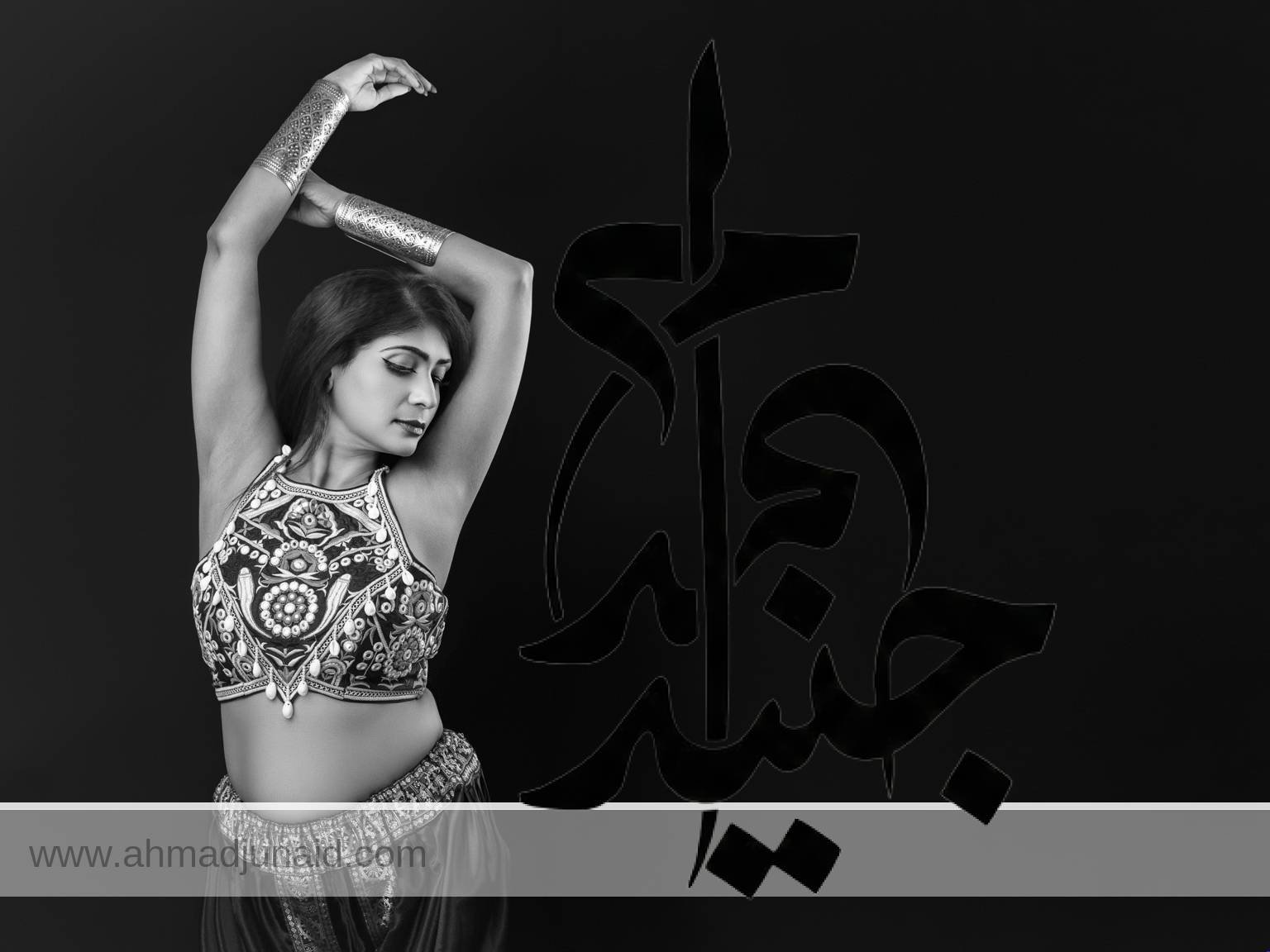

In photography, intuition isn’t a mystical sixth sense or a stroke of luck. It is the rapid, subconscious processing of your past experiences, mistakes, and technical knowledge. When you feel a sudden, unexplainable urge to raise your camera and press the shutter before you fully process what you’re looking at, that is your intuition taking the wheel.
The legendary photographer Henri Cartier-Bresson called this the “decisive moment”—the fraction of a second where the visual and psychological elements of a scene align perfectly.
You need to be true to yourself
If you constantly find yourself hesitating, overthinking, or missing the shot because you were trying to logically justify taking it, here is how you can start trusting your gut when making creative decisions.

Never give up and stay strong
1. Pre-set Your Technicals
You cannot be intuitive if you are constantly fumbling with your ISO, aperture, and shutter speed. Intuition requires flow. Assess the lighting of your environment and set your exposure before the action happens. When a fleeting moment unfolds, the only decisions left should be framing and timing.
2. Stop “Chimping”
“Chimping”—the habit of immediately looking down at your camera’s LCD screen after every single shot—completely severs your connection to the present moment. When you look down to judge the past, you miss the future. Trust that you captured what you saw, keep your camera ready, and let the rhythm of the environment dictate your next move. Review your images at home.
3. Shoot the Feeling, Analyze Later
If a harsh shadow, a passing glance, or an odd geometric pattern catches your eye, take the photo. Do not stop to ask yourself, “Is this a good subject?” or “Does this make sense?” If it made you pause, your subconscious noticed something your logical brain hasn’t caught up to yet. Give yourself permission to waste a few frames on a feeling; you can always delete the duds later, but you can never recreate a missed moment.
4. Embrace the “Mistake”
When you shoot intuitively, you will inevitably capture images with motion blur, slightly missed focus, or unconventional crops. Learn to view these not as failures, but as atmosphere. Often, an imperfect, raw image conveys far more emotion and energy than a clinically sharp, perfectly composed photograph ever could.
The Takeaway
Your logical brain is built for safety and rules; your intuition is built for art. The more you act on those split-second impulses without trying to logically justify them, the louder and more accurate your creative voice will become.

Related Posts
Nothing found.